Skip to content

04 · Six frames from Q1

A Wardrobe Archive

Maison Editorial·5 min read·Issue I · Q1 2026

Six still lifes, made for this issue. The objects are the ones the work moves around, and each one is here because it carries a question the house has to answer.

i

Hatbox

On what a loan is
Hatbox
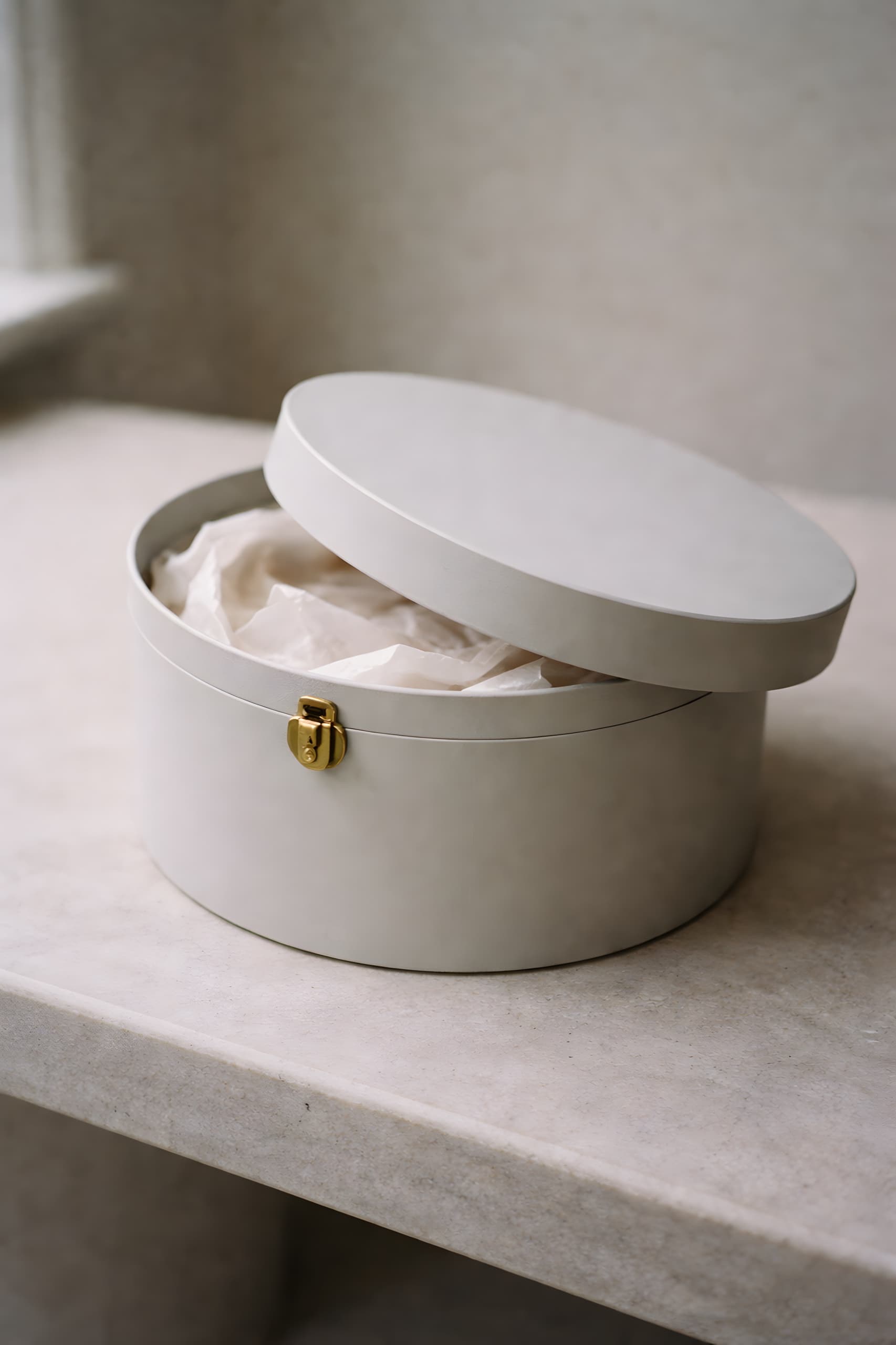
A round hatbox in pale grey board. Lid unlatched. The brass closure turned once, insufficient to secure. Boxes like this are decades old and belong to the house that made them, not to the person wearing what is inside. Almost everything that arrives for a fitting is a loan, and a loan has terms: when it came, what condition it was in, who signed for it, when it goes back. Those terms are rarely written down by anyone. When something is damaged, the absence of a record is the whole argument.
ii

Ring Box

On the things that leave with someone else
Ring Box
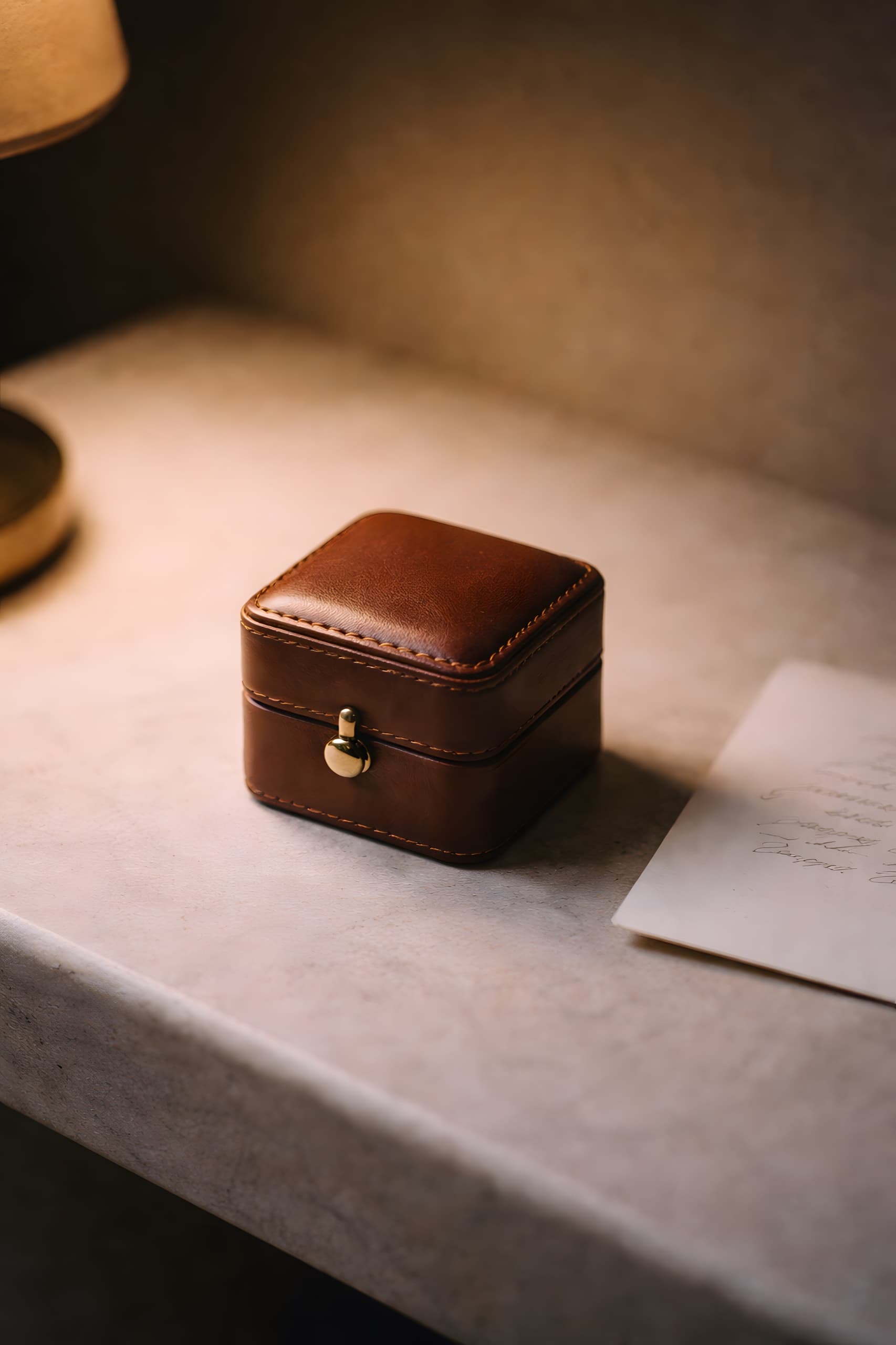
A ring box in dark leather. Closed. The velvet inside is cream. High-value pieces come with a courier, a signature, and a return window, and the person actually responsible for them at three in the morning is usually the most junior person in the room. The house treats a courier receipt the way it treats an executed agreement, because on the day something goes missing that is exactly what it becomes.
iii

Garment Bag, Tagged

On the note nobody keeps
Garment Bag, Tagged
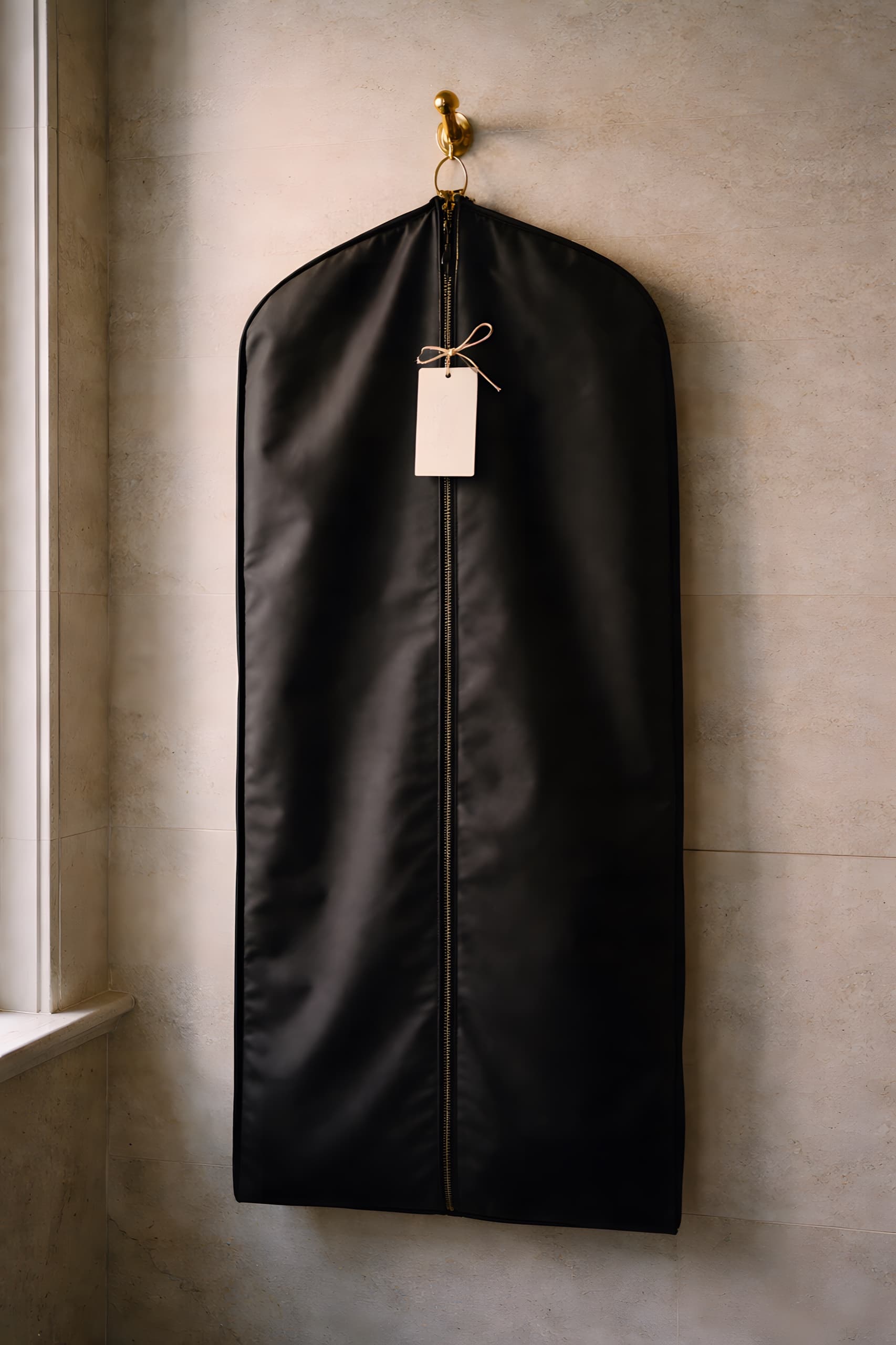
A single black garment bag on a brass hook. A white paper tag, attached by linen string, in a hand: for the seventeenth. please return by the nineteenth. The instruction is the contract. It is handwritten, it is unsigned, and in three months it will be the only evidence of what was agreed. A tag like this belongs photographed and filed on the day it arrives, which takes eleven seconds and settles arguments that otherwise take a fortnight.
iv

Shoes

On the hours nobody counts

Shoes
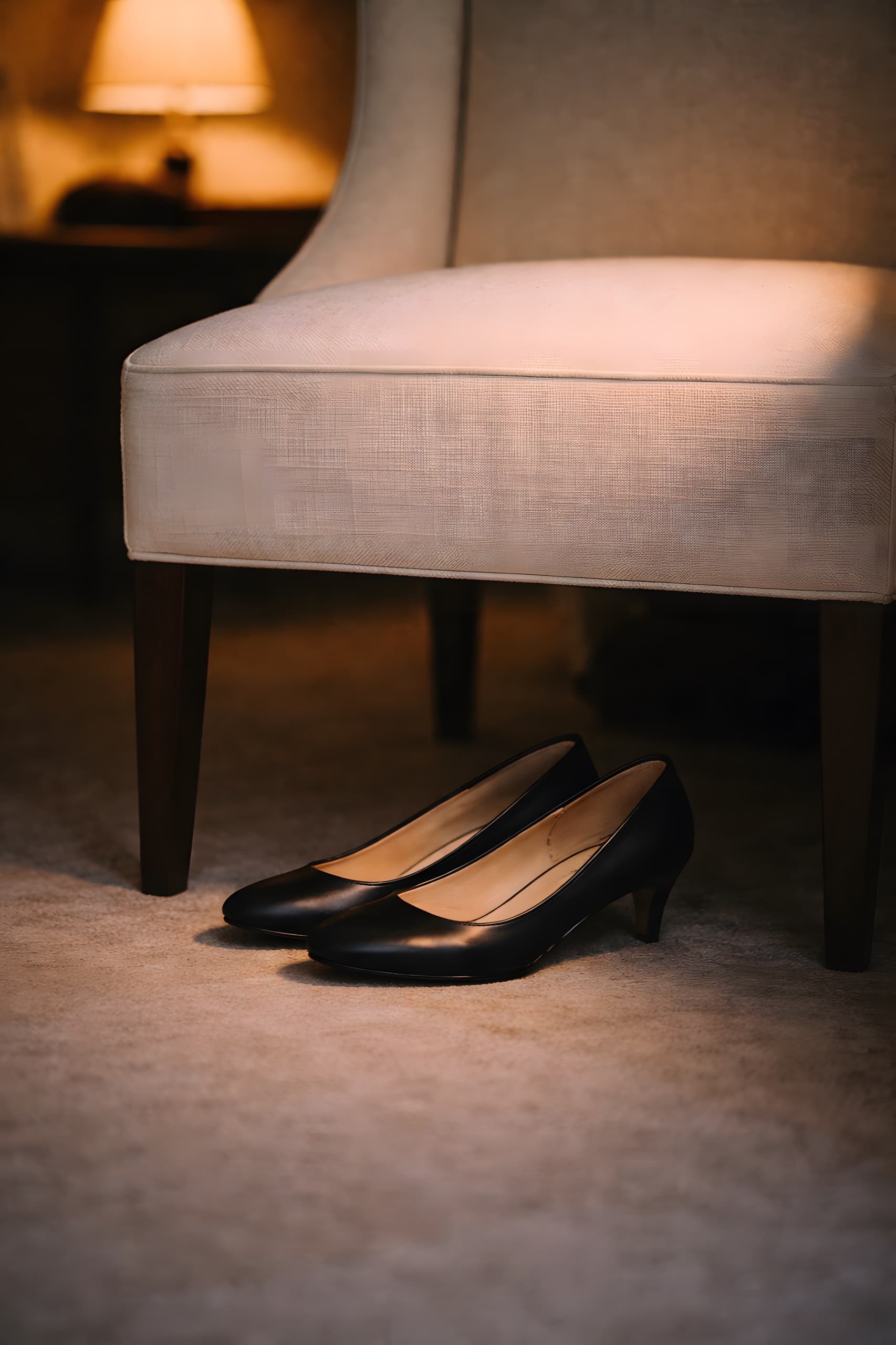
A pair of shoes under a chair. Black, low, worn three times: a dinner, a morning meeting, and a press appointment that ran ninety minutes longer than it should have. That last hour and a half is the one that never appears in a schedule and never appears in a fee. A day that is quietly a fourteen-hour day is a scheduling failure, and it is the sort of failure a house paid on what you earn has no natural reason to notice. Someone has to be counting.
v

Boutonniere

On what is arranged and what is not
Boutonniere
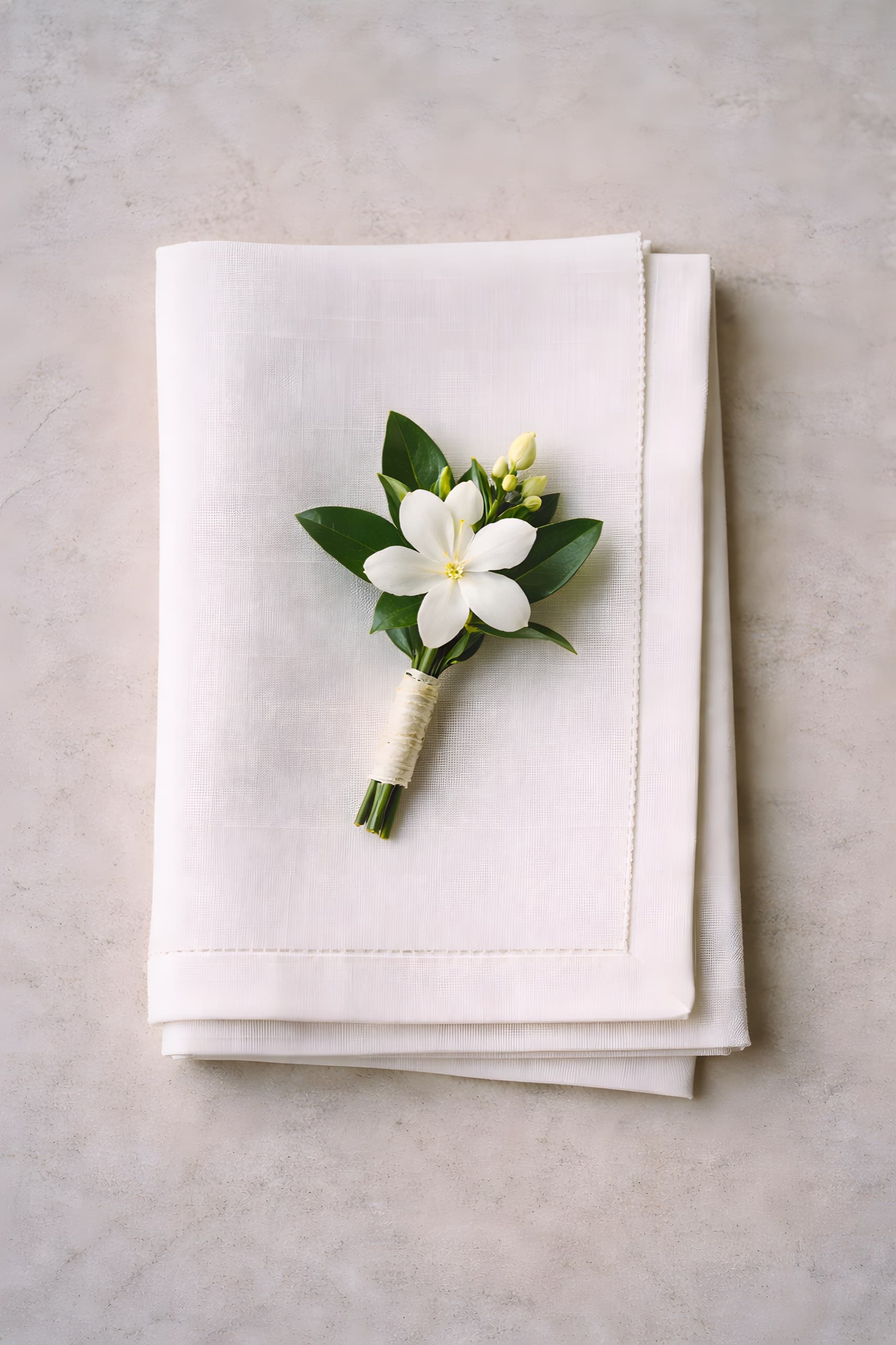
A single white boutonniere, unpinned, on a linen napkin folded twice, as though placed there intentionally, though it was placed there absently. Flowers arrive. Some of them are arranged and some of them are sent by someone who wants something. A gift with no card is a question, and the answer belongs with the house rather than on the table in front of you. Very little of this is dramatic. Most of it is a note written back the same morning, politely, by someone who is not you.
vi

Envelope

On the correspondence that is yours
Envelope
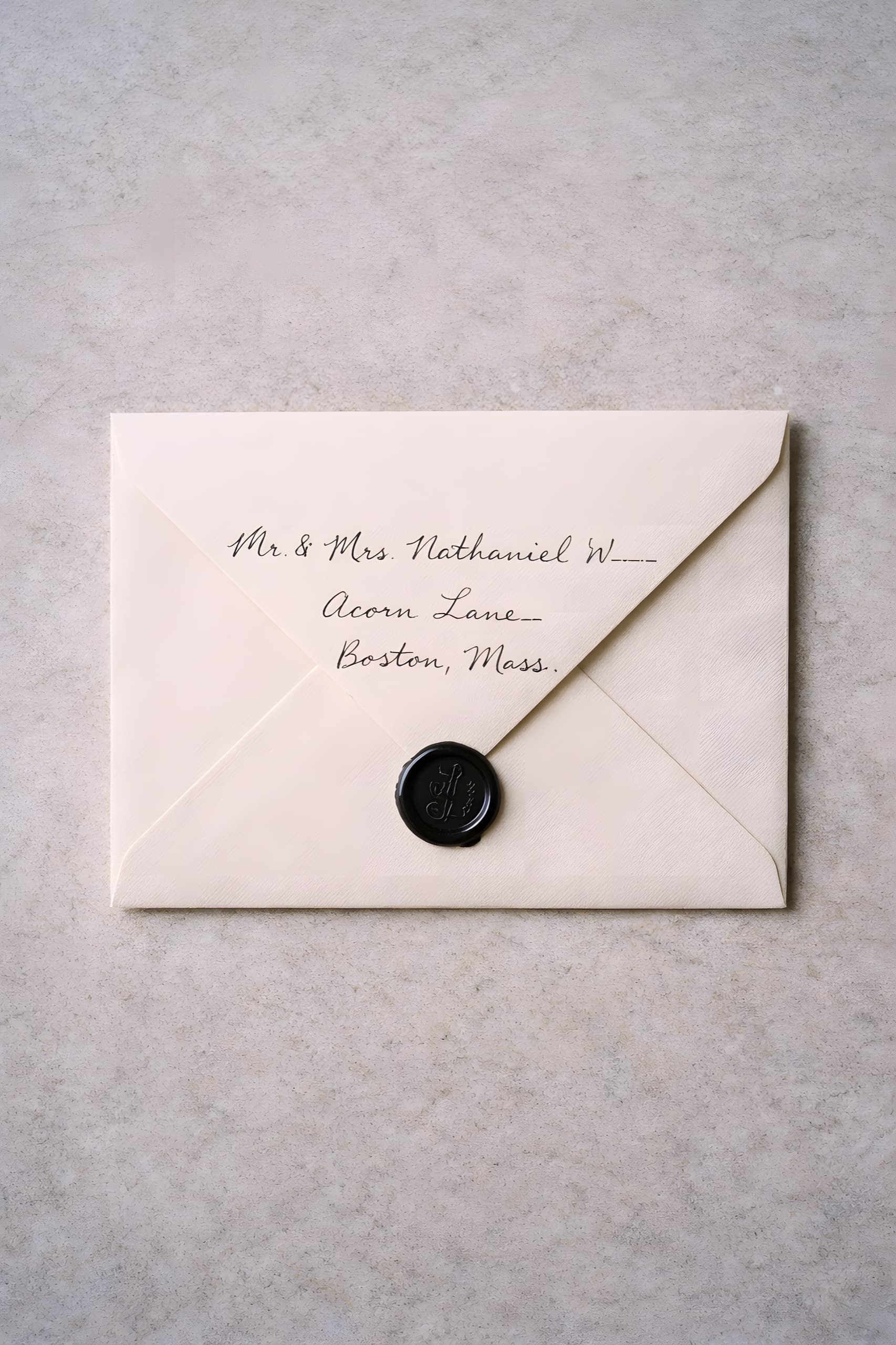
A hand-addressed envelope, heavy cream, no printed return. A wax impression at the center of the back flap. Inside, a card, four lines, in the same hand. Not everything that reaches you is business, and a house that reads all of it has misunderstood its job. The rule here is narrow: the house answers what is addressed to the work, and what is addressed to you stays yours, unopened, uncatalogued, and unmentioned.