What Talent Should Know About AI Likeness
Contracts used to cover photographs, recordings, edits, and campaign stills. Now you need to know whether the other side is asking for more: training an AI system on you, generating a synthetic performance, cloning your voice, altering your likeness, or building something new out of material you never agreed to hand over that way.
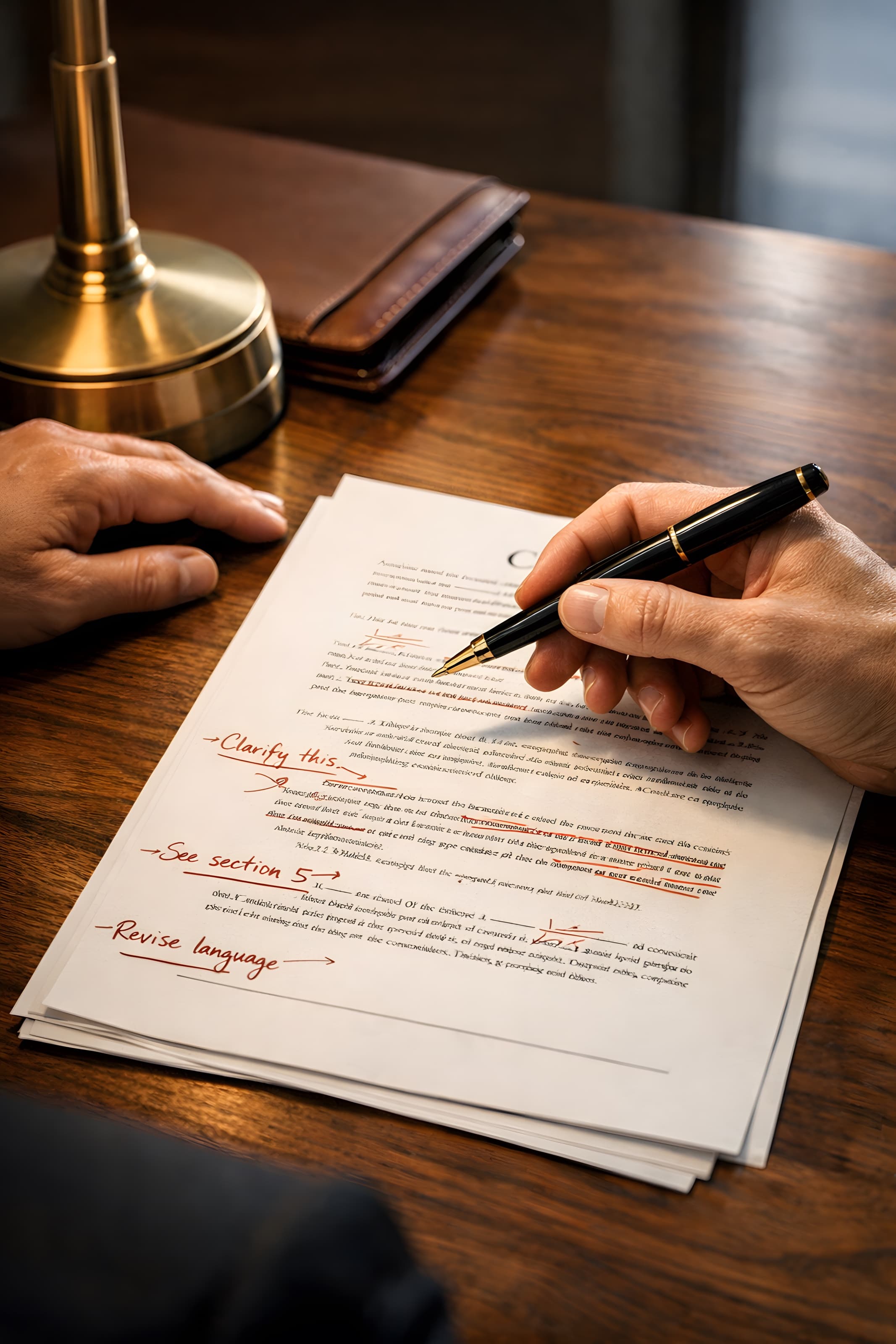
The danger rarely announces itself. AI language hides inside production clauses, usage clauses, derivative-works clauses, publicity clauses, anywhere a lawyer thought to tuck it. A permission written broadly enough can let someone generate new material out of you without booking you again, without asking your approval, and without paying you for it.
Look for a clear no, or for a permission written tightly enough to mean something. If synthetic use of you is allowed at all, the agreement should say exactly what is allowed, for how long, where, through what approval process, for what money, and how you take the permission back if you change your mind.
Your likeness is not only your face. It is your body, your voice, your name, your performance, the mannerisms people recognize as you. Signed into the wrong agreement, any of those can travel much further than you ever intended them to.
Read this kind of clause the same way you would read a check being written against your future. It is easy to sign quickly because it looks like standard language. It rarely is.
Flag anything that looks like this to us and you get a real answer within twenty-four hours, in writing, because the future of your likeness should never be settled by boilerplate nobody read closely.
Continue with Maison Briefs
Receive the next private-office note, written for talent making decisions about contracts, rights, money, and visibility.